

Bring Back Yearning!!!
the stolen glances! the soft touches!! i want it all!

The lack of yearning in modern romance lately has been bothering me. I miss the emotional depth and tension, the intense, almost painful longing for someone that feels out of reach. A slow-burn story, where every stolen glance, every unsaid word, and every near-touch builds an ache that lingers long after the scene has ended. Yearning is layered. It’s a mix of emotional vulnerability, restrained passion, and an impossible need that both sustains and torments the characters. Without yearning, these love stories feel shallow and rushed.
. ݁₊ ⊹ . ݁ ⟡ ݁ . ⊹ ₊ ݁.
What Made Yearning Work: Pride and Prejudice
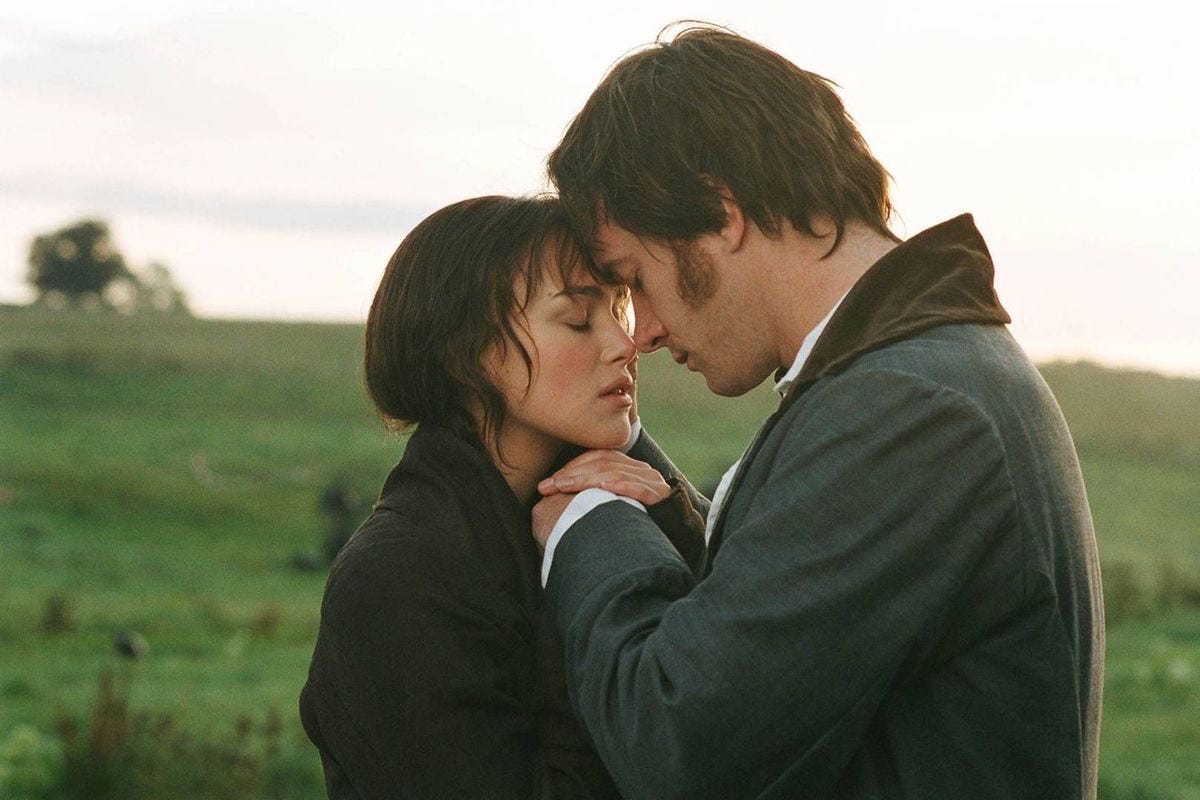
Jane Austen's Pride and Prejudice is the gold standard for romantic yearning. I mean, Elizabeth Bennet and Mr. Darcy’s love is filled with misunderstanding, social pressures, and personal pride.
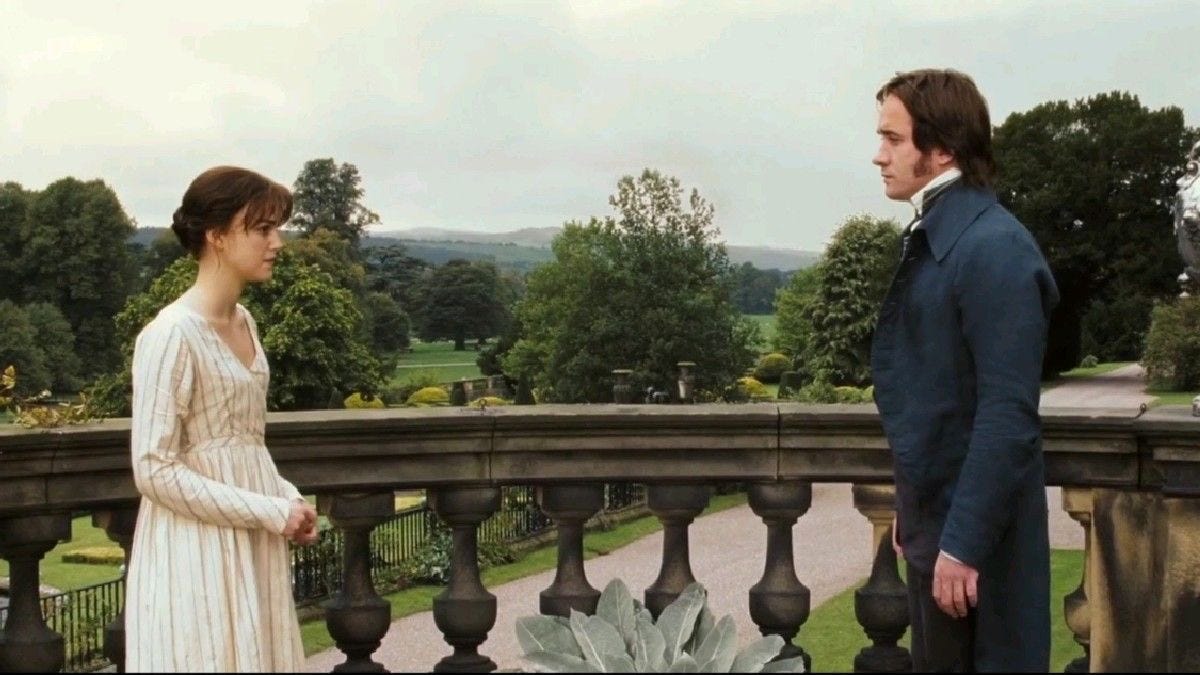
Darcy’s later confession of love is a rather loaded scene in which not only Elizabeth loudly insults Darcy and rejects him, but also makes him come to terms with his own flaws. But with that, their longing for one another grows over time, and it results in Darcy's second, quieter proposal. The difference in their emotions at a slow pace, paired with the urge for their eventual relationship, contributes to the satisfaction that the watcher gets afterwards.
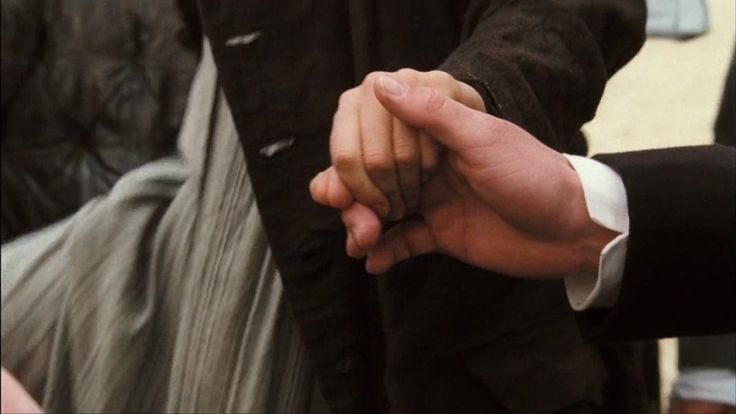
The hand flex scene in Pride and Prejudice (2005) is an iconic depiction of yearning distilled into a single, fleeting gesture. When Mr. Darcy helps Elizabeth Bennet into a carriage, their hands touch.
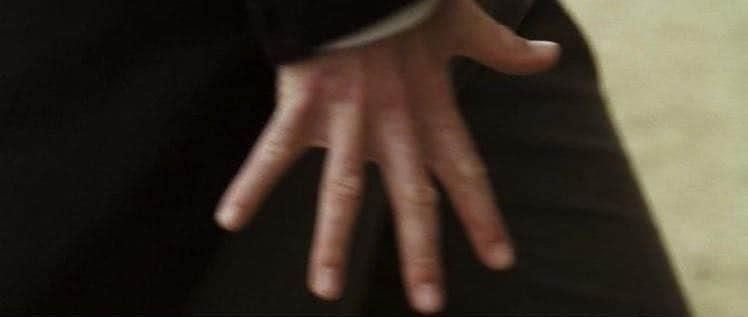
And as he walks away, he flexes his fingers. This subtle, small act speaks volumes about his suppressed emotions. This is a timeless symbol of unspoken longing and the quiet ache of yearning.
Bridgerton’s Take on Yearning
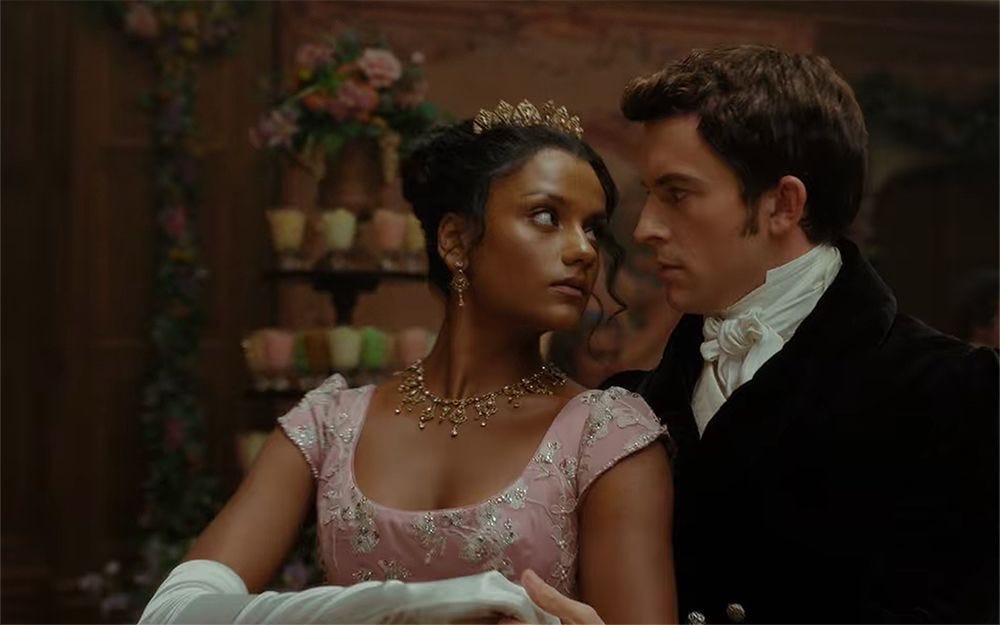
Netflix’s Bridgerton, specifically in season two with Anthony and Kate, was life changing for me. This season single handily brought yearning back, while keeping the sharp tension that made Austen’s work so amazing and effective. Anthony and Kate’s forbidden romance that’s rooted in their shared responsibilities and unspoken attraction, creates a tension that had me at the edge of my seat during. every. scene.
Speaking of scenes, let’s talk about one of the most significant exchanges between Kate and Anthony: the bee scene. When Anthony has a panic attack after Kate is stung by a bee, his fear breaks through his carefully composed exterior. Kate, meanwhile, is startled by his vulnerability. Their closeness make her hyperaware of the energy between them.
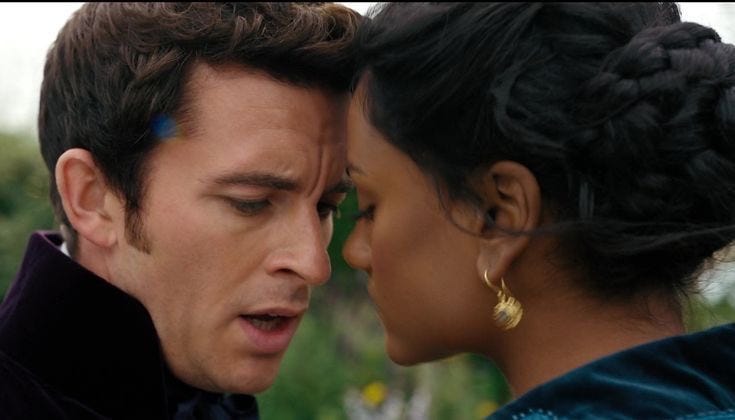
The bee scene works so well because it’s not just about attraction—it’s about vulnerability, trust, and the emotional weight of Anthony’s unresolved trauma. It’s a moment of raw vulnerability that reveals just how much he cares for her, even before he admits it to himself. It also marks a turning point in their relationship, one where yearning begins to break through their walls, setting the stage for the slow, aching unraveling of their relationship.
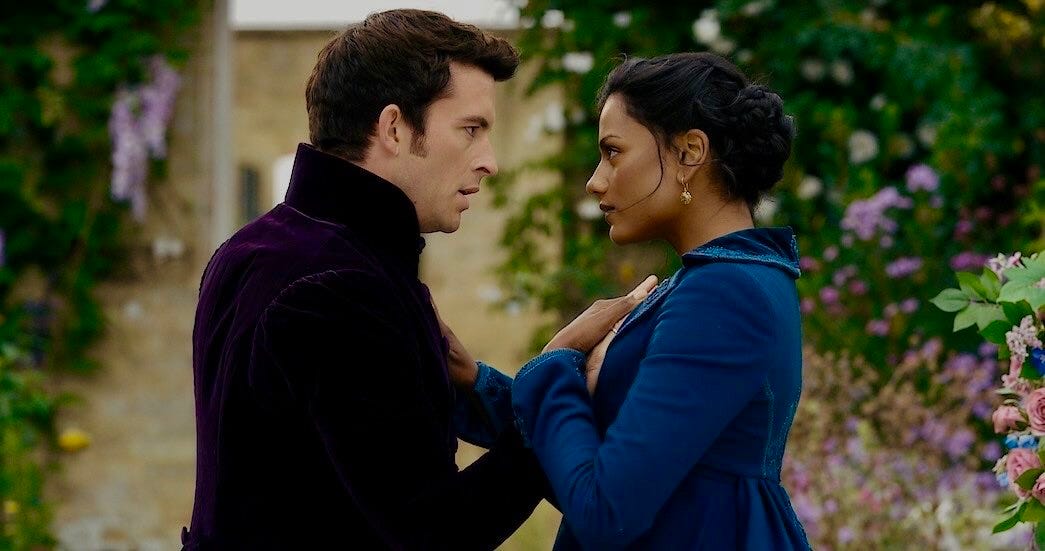
Their almost-kisses, stolen glances, and mutual sacrifices keep the audience on edge, rooting for their love to overcome its obstacles. The prolonged buildup makes their eventual union intensely rewarding.
. ݁₊ ⊹ . ݁ ⟡ ݁ . ⊹ ₊ ݁.
Yearning engages the audience emotionally. It reflects the complexities of real-life relationships: the waiting, the uncertainty, and the quiet moments of vulnerability. It also gives characters time to grow and earn their happy ending, making the payoff more satisfying. To bring yearning back, we need to rediscover the art of restraint. Let the characters struggle with their feelings. Let there be obstacles. Because it’s in the waiting, the hesitations, and the near-misses that love stories truly come alive.